


Popular wisdom says to drink water after a night out. Staying hydrated when you drink alcohol is genuinely good advice. But if dehydration were the whole story, a glass of water or a Liquid IV would be enough to feel great in the morning, every time.
The truth is that alcohol sets off physiological changes in your body that go beyond fluid loss. Alcohol depletes key vitamins that your body needs to metabolize the alcohol properly. Understanding what's really happening is the first step toward supporting your body.
Alcohol is a Diuretic, But That’s Not the Whole Story
Alcohol suppresses vasopressin, which normally signals your kidneys to conserve water. With less vasopressin circulating, your kidneys let go of more fluid than usual. That’s why you may make more frequent trips to the restroom after a few drinks and part of what dehydrates you.
Research also shows that dehydration alone doesn't account for all of alcohol’s effects on how you feel the next day.1 Multiple other biological processes unfold simultaneously.
The Acetaldehyde Problem
When you drink alcohol, your liver converts the ethanol into a compound called acetaldehyde, which is a toxic intermediate.2 Normally, an enzyme called aldehyde dehydrogenase (ALDH) quickly converts acetaldehyde into acetate, a less harmful substance. This process depends on your body having key cofactors ready, and it can be slowed down by nutritional deficiencies, genetic variation, and the sheer volume of alcohol consumed.3 Water won’t speed up this process. The liver needs support from vitamins and nutrients to do its job efficiently.
The Lesser Known Factor: Nutrient Depletion
Alcohol depletes a specific set of vitamins and minerals that your body relies on for metabolic processes. Alcohol impairs how well your body can absorb, store, and activate B vitamins (particularly thiamine, B6, and B12).4,5,6 It also affects zinc, which supports the enzyme activity needed to break down ethanol and regulate oxidative stress.3,7 Even drinking a moderate amount of alcohol has been shown to impact folate and B12 — key factors in supporting liver health and repairing cells.6,8
Oxidative Stress: When Your Antioxidant Defense Goes Down
When your body metabolizes alcohol, it generates reactive oxygen species (ROS). ROS are unstable molecules that can damage cells and tissues if your antioxidant defenses can't keep up. This imbalance is referred to as oxidative stress. Research shows that drinking alcohol lowers plasma levels of antioxidant vitamins, including vitamin C and vitamin E, while simultaneously increasing markers of oxidative stress.9
Glutathione (GSH) is a major antioxidant, and it helps neutralize acetaldehyde and reduce oxidative stress while your body is metabolizing alcohol. In fact, a 2024 clinical trial found that supplementing GSH helped reduce acetaldehyde levels in human subjects.10 Water can rehydrate your cells, but it can’t replenish antioxidants or restore GSH levels.
Triggering The Body’s Inflammatory Response
Alcohol consumption disrupts normal immune function and promotes inflammation. This effect contributes to the general discomfort that many people associate with a night of drinking.11 It’s separate from dehydration and can last even after blood alcohol levels return to zero. Vitamins and minerals with anti-inflammatory properties, including zinc and vitamins C and E, can help support the body’s normal immune response.
How The The Anytime You Drink Vitamin® Supports Your Body
Drinking water after a night out is smart, but your body also needs to replenish its critical vitamins:*
- B vitamins to support alcohol metabolism and cellular energy production
- Zinc to help convert ethanol and build a healthy antioxidant response
- Glutathione and antioxidants (vitamins C and E) to help neutralize acetaldehyde and manage oxidative stress
- Folate and B12 to support cellular repair and liver health
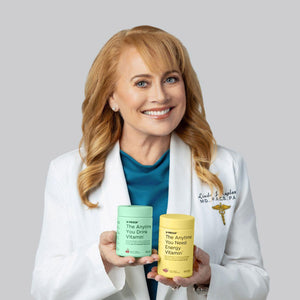
That's exactly how The Anytime You Drink Vitamin® works. Developed by Dr. Linda J. Kaplan, MD, a physician with over 40 years of clinical experience, each ingredient was selected based on the peer-reviewed science of what alcohol actually does to your body.*
Every ingredient earns its place. That's what it means to be doctor-developed. Learn more.
*These statements have not been evaluated by the Food and Drug Administration. This product is not intended to diagnose, treat, cure, or prevent any disease.
This article is for informational purposes only and is not intended to be a substitute for professional medical advice.