


We hear this from people all the time — the morning after a couple drinks feels noticeably different than it did a decade ago. While there can be a number of reasons, the simplest is that your biology has changed.
Research suggests that age is a meaningful variable in how the body handles alcohol. From shifts in body composition to changes in enzyme activity, several physiological factors converge as we get older to affect how alcohol is distributed, processed, and cleared from our systems.
It Starts with Alcohol Metabolism
Before we get into how aging changes the picture, it helps to understand what’s happening in your body after drinking. When you consume alcohol, it’s absorbed through the stomach and small intestine and enters the bloodstream. From there, the liver takes on the primary role in metabolizing that alcohol using enzymes called ADH and ALDH. How efficiently these enzymes work matters a lot in avoiding unpleasant physical effects.1
Learn more about how the body metabolizes alcohol here.
When Body Composition Shifts
One of the most consistent physiological changes that comes with aging is a gradual shift in body composition. Lean muscle mass starts to decrease while body fat tends to increase, even when total weight stays relatively stable.2
This matters for alcohol metabolism because the ethanol in alcohol distributes primarily in body water, and muscle tissue holds significantly more water than fat tissue. As lean mass decreases with age, total body water decreases as well, meaning that the same amount of alcohol becomes more concentrated in the body’s fluids. This can result in a higher effective blood alcohol concentration from the same intake, compared to when you were younger.3
Enzyme Activity May Shift With Age
The enzymes responsible for clearing alcohol (ADH and ALDH) also change with cellular function as we age. Scientists speculate that these age-related changes may affect the rate that the body can clear alcohol too.4 A slower clearance rate means it has more time to circulate in the body, affecting how you feel the morning after. It’s worth noting that research in this area reflects population-level tendencies, and individual variation can play a large role too.
Liver Function and Oxidative Stress
The liver is the central organ in alcohol metabolism, and like all organs, it changes over time. Age is associated with a gradual reduction in liver volume and blood flow, both of which can affect the liver’s overall ability to metabolize substances quickly.5
When the body metabolizes alcohol, it also generates oxidative stress. Research has shown that drinking alcohol is associated with lower concentrations of antioxidant vitamins and elevated markers of oxidative stress.6 Older adults may have more trouble managing the oxidative stress from alcohol if their antioxidant defenses are also in decline.
It’s All About the Vitamins
Several vitamins play a meaningful role in supporting alcohol metabolism. Niacin (B3) and zinc help process ethanol.7 Glutathione (GSH) is a critical antioxidant that helps your body clear alcohol,8 and alcohol consumption can deplete thiamine (B1) and vitamin B6.9,10
Aging also changes your body’s ability to absorb key nutrients like B12 and zinc,11 which may make it even more difficult to metabolize alcohol efficiently. In fact, research found that higher dietary intake of niacin (B3) and zinc correlated with effective alcohol metabolism.7 Similarly, a randomized controlled trial found that GSH supplementation supported acetaldehyde clearance, which is a critical part of metabolizing alcohol.8
H-PROOF Supports Your Body’s Ability to Metabolize Alcohol
Your experience of alcohol is shaped by a dynamic set of biological variables, many of which shift gradually with age. Body composition changes affect how alcohol is distributed. Enzyme activity and liver function may affect how quickly it’s cleared. And nutrient depletion can compound the burden on your body’s metabolic pathways.
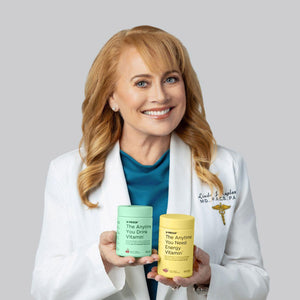
Rehydrating and replacing electrolytes can be useful after a night out, but they don’t directly support the underlying physiological changes that may occur, especially as we age. The H-PROOF Anytime You Drink Vitamin® was formulated by doctors to support alcohol metabolism with nutrients.*
*These statements have not been evaluated by the Food and Drug Administration. This product is not intended to diagnose, treat, cure, or prevent any disease.
This article is for informational purposes only and is not intended to be a substitute for professional medical advice.